ABOUT DISASTER AND PREVENTION
Disasters have massive human and economic costs. They may cause many deaths, severe injuries, and food shortages. Most incidents of severe injuries and deaths occur during the time of impact, whereas disease outbreaks and food shortages often arise much later, depending on the nature and duration of the disaster. Anticipating the potential consequences of disasters can help determine the actions that need to be started before the disaster strikes to minimize its effects.
Prevention is defined as those activities taken to prevent a natural phenomenon or potential hazard from having harmful effects on either people or economic assets. Delayed actions drain the economy and the resources for emergency response within a region. For developing nations, prevention is perhaps the most critical components in managing disasters.
NATURAL DISASTER

Natural disasters occur as the result of action of the natural forces and tend to be accepted as unfortunate, but inevitable. The natural disasters result from forces of climate and geology. Natural disasters are perhaps the most “unexpected” and costly overall in terms of loss of human lives and resources.
MAN-MADE DISASTER
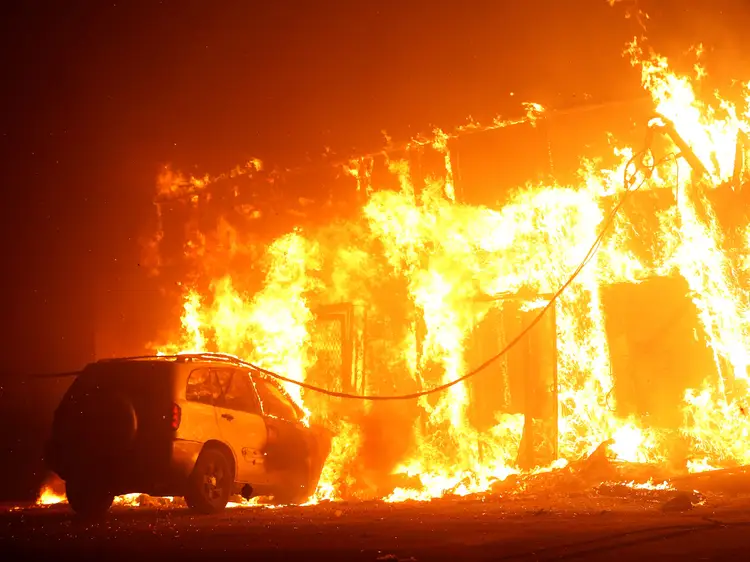
The technological or manmade disasters result from some human activities, such as explosions, fires, the release of toxic chemicals or radioactive materials, bridge or building collapse, crashes, dam or levee failure, nuclear reactor accidents, breaks in water, gas, or sewer lines, deforestation, war, etc. Technological disasters tend to involve many more casualties than natural disasters of the same magnitude of energy release.
WHERE TO FIND US
If you have any issue or query then don't hesitate to contact us
E-mail vanshikaa.jn@gmail.com
Phone no. +91 9990380303